Acquiring an established business can provide immediate revenue, customers, employees, infrastructure, and operating assets. However, the opportunity also comes with risks that may not be obvious from a seller’s presentation or financial statements.
Before completing an acquisition, buyers should independently verify the financial, legal, and physical components of the company. This requires professionals who understand how to evaluate a transaction rather than simply review documents.
For an acquisition involving substantial machinery, equipment, or other tangible assets, a well-rounded due diligence team will often include three key advisors: an M&A attorney, an experienced CPA firm, and an independent industrial appraisal firm.
Let the CPA Dig Into the Numbers
A company’s historical profitability is often one of the primary factors used to establish its purchase price. For that reason, buyers need to determine whether the earnings presented by the seller are accurate, repeatable, and sustainable.
An experienced CPA firm can examine the company’s financial records in greater detail.
The analysis may include revenue trends, margins, accounts receivable, inventory, working capital, debt, owner compensation, related-party expenses, and adjustments made to EBITDA. Depending on the transaction, the CPA may also perform a formal Quality of Earnings analysis.
One of the primary objectives is to separate normal operating performance from unusual or nonrecurring activity.
Suppose a seller reports $1.5 million in adjusted EBITDA and the proposed purchase price is based on a five-times multiple. If financial due diligence determines that $200,000 of the adjustments are not supportable, the difference could potentially affect the transaction value by $1 million.
That makes the selection of the accounting firm important. Buyers should consider CPAs with transaction advisory and M&A experience rather than relying exclusively on a traditional tax or bookkeeping firm.
Know What the Machinery and Equipment Are Worth
When purchasing an asset-intensive company, financial performance represents only part of the picture. Buyers should also understand the value of the physical assets included in the acquisition.
This is where an independent industrial machinery and equipment appraisal firm becomes valuable.
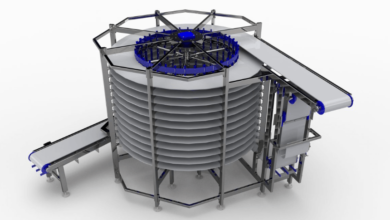
The appraiser may evaluate production machinery, CNC equipment, construction equipment, trucks, material handling equipment, medical equipment, restaurant equipment, processing systems, and other business assets.
An appraisal can provide an independent opinion of value based on the appropriate premise and definition of value. Depending on the transaction, the buyer or lender may need Fair Market Value, Orderly Liquidation Value, or another applicable value conclusion.
Importantly, the values appearing on a company’s depreciation schedule are accounting figures. They should not automatically be considered current market values.
Equipment with an original cost of $5 million may have a significantly different value in today’s secondary market. At the same time, older equipment that has been fully depreciated for accounting purposes may still have considerable market value.
A qualified industrial appraiser helps the buyer understand that distinction.
Consider the Equipment From a Financing Perspective
An independent equipment appraisal can also become an important component of acquisition financing.
When a lender takes machinery and equipment as collateral, it may focus on what those assets could reasonably produce if they were eventually sold. The lender’s view of collateral value may therefore differ substantially from the seller’s stated equipment value.
Discovering a collateral shortfall late in the acquisition process can create significant problems.
An appraisal performed earlier in the process can give the buyer a clearer understanding of the tangible asset base and potentially identify financing concerns before closing.
The appraisal process may also uncover older equipment, obsolete technology, highly specialized assets, or machinery that will require substantial future capital expenditures. These findings can affect the buyer’s projections and should be considered when evaluating the overall investment.
Use an M&A Attorney to Address Legal Exposure
While the CPA examines the financial picture and the appraiser evaluates tangible assets, an experienced M&A attorney focuses on protecting the buyer from legal and contractual risks.
The attorney may review purchase agreements, leases, contracts, employment obligations, pending litigation, intellectual property, environmental matters, regulatory requirements, and other potential liabilities.
Legal counsel also plays an important role in determining how the acquisition should be structured.
For example, purchasing a company’s assets can create different legal and tax consequences than purchasing the company’s ownership interests. These decisions should be evaluated by the attorney in coordination with the buyer’s tax and accounting advisors.
The M&A attorney can also address issues discovered elsewhere during due diligence. If equipment is subject to liens, leases, or financing agreements, legal counsel can investigate those obligations before the transaction closes.
Hire Specialists, Not Simply Familiar Names
Buyers sometimes default to professionals they already know. Their longtime accountant, business attorney, or another trusted advisor may be excellent at what they do, but that does not necessarily mean they have the experience required for an acquisition.
M&A transactions are specialized.
Ask potential advisors how frequently they work on acquisitions, whether they have experience with similar-sized transactions, and whether they understand the industry involved.
The same principle applies to the industrial appraisal firm. An appraiser should have experience with the types of machinery and equipment being acquired and understand the markets in which those assets are bought and sold.
See also: Common Myths About Wrongful Death Lawsuits Debunked
Better Due Diligence Creates Better Decisions
The purpose of due diligence is not to prove that a transaction is good or bad. It is to give the buyer enough independent information to make an informed decision.
A qualified CPA can determine whether the financial results support the seller’s story. An industrial appraisal firm can establish what the underlying machinery and equipment are worth. An experienced M&A attorney can identify legal exposure and create protections within the transaction.
The information these professionals uncover may support the original purchase price. It may also provide grounds for renegotiation, changes to financing, additional contractual protections, or a decision not to proceed.
Buying a business will always involve some degree of uncertainty. The right due diligence team cannot eliminate that uncertainty, but it can significantly reduce the number of surprises that occur after the closing.
And when substantial capital is at risk, knowing what you are buying before you buy it is money well spent.