The global logistics industry is undergoing a significant transformation, driven by advances in technology, increasing customer expectations, and the need for greater efficiency. Businesses are no longer simply moving goods from one place to another—they are rethinking the entire supply chain ecosystem. In markets like Hong Kong, where logistics hong kong plays a critical role in international trade, the adoption of innovative technologies is reshaping operations, enhancing efficiency, and offering new competitive advantages.
The Changing Landscape of Logistics
Traditional logistics relied heavily on manual processes, paperwork, and fragmented systems. While these methods were adequate in the past, the rapid growth of e-commerce, cross-border trade, and real-time customer expectations has rendered conventional approaches insufficient.
Increased Complexity in Supply Chains
Supply chains today are more complex than ever. Companies must manage multiple suppliers, warehouses, transport modes, and international regulations. In Hong Kong, as a major trade hub, logistics providers face the challenge of efficiently handling both import and export operations while navigating regulatory compliance and customs requirements.
Customer Expectations and Transparency
Consumers now expect real-time tracking, faster deliveries, and accurate updates. Businesses that fail to provide visibility across their supply chain risk losing customer trust. Modern logistics operations must incorporate transparency and responsiveness to meet these growing expectations.
Technology as a Driver of Transformation
Technology is at the heart of logistics innovation, enabling businesses to streamline operations, reduce costs, and improve service quality.
Automation and Robotics
Automation has revolutionized warehouse and distribution operations. Robotics systems can efficiently handle repetitive tasks such as picking, packing, and sorting, reducing human error and increasing speed. In Hong Kong, where space is limited and efficiency is crucial, automated warehouses are becoming an essential part of the logistics landscape.
Internet of Things (IoT)
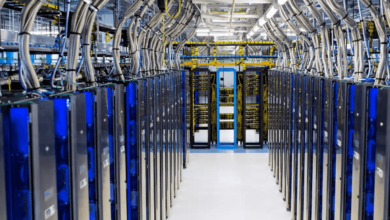
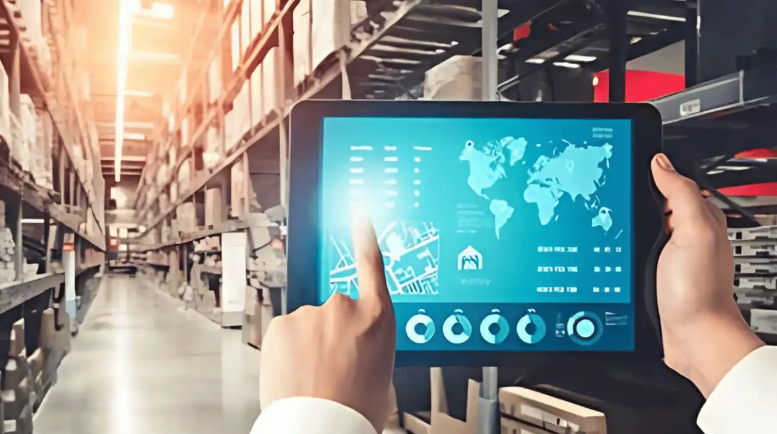
IoT devices allow real-time monitoring of goods, vehicles, and environmental conditions. Sensors can track temperature, humidity, and location, providing valuable data for perishable goods or high-value shipments. For logistics hong kong providers, IoT enables better control over shipments, ensuring timely and safe delivery.
Artificial Intelligence and Predictive Analytics
AI-driven solutions analyze vast amounts of data to optimize routes, forecast demand, and anticipate disruptions. Predictive analytics help logistics companies reduce transit times, minimize fuel consumption, and improve overall efficiency. By leveraging AI, businesses can make proactive decisions rather than reactive ones.
Blockchain for Transparency and Security
Blockchain technology ensures secure, transparent, and tamper-proof record-keeping. By creating an immutable ledger for shipments, customs clearance, and payment transactions, logistics providers can reduce fraud, enhance traceability, and improve trust among partners. In a hub like Hong Kong, blockchain can facilitate faster cross-border transactions and simplify compliance.
Cloud-Based Logistics Platforms
Cloud computing allows logistics companies to centralize data, integrate with multiple partners, and provide real-time updates. Cloud platforms enable scalability, collaboration, and easy access to analytics, which are crucial for handling high-volume trade operations efficiently.
Benefits of Technologically Enhanced Logistics
The integration of advanced technology in logistics brings multiple advantages, transforming how businesses operate.
Enhanced Efficiency
Automation, AI, and predictive analytics streamline workflows, reduce manual errors, and optimize routes. This leads to faster delivery times, lower operational costs, and higher productivity.
Improved Visibility and Transparency
Real-time tracking and monitoring provide visibility across the supply chain. Customers, partners, and internal teams can access accurate information, enhancing trust and satisfaction.
Cost Reduction
Technology reduces labor costs, minimizes errors, optimizes fuel consumption, and decreases inventory holding costs. These savings can be reinvested into other strategic areas of the business.
Better Risk Management
Predictive analytics and IoT devices allow logistics providers to anticipate disruptions such as weather events, port congestion, or vehicle breakdowns. By mitigating risks proactively, companies can ensure smoother operations.
Sustainability
Advanced technology enables smarter routing, energy-efficient vehicles, and better inventory management. These improvements reduce carbon footprints and contribute to more sustainable logistics operations.
See also: Bank Account Opening for First-Time Customers: A Beginner’s Guide
Real-World Examples in Hong Kong
Hong Kong’s logistics sector has embraced technology to meet the demands of a busy, international trade hub.
Automated Warehousing
Many distribution centers in Hong Kong have adopted automated storage and retrieval systems. These warehouses maximize limited space while increasing throughput and reducing errors.
Smart Freight and Transport Management
Logistics providers use AI-powered fleet management systems to optimize delivery routes, manage fuel consumption, and track vehicle performance. This not only improves efficiency but also lowers operational costs.
E-Commerce Integration
With the growth of e-commerce, logistics providers in Hong Kong have integrated technology to handle high-volume, time-sensitive shipments. Cloud-based platforms allow retailers and logistics partners to coordinate seamlessly, ensuring accurate and timely delivery to customers.
Cold Chain Management
For pharmaceuticals and perishable goods, IoT sensors monitor temperature, humidity, and handling conditions. This ensures that sensitive products maintain their quality throughout transit, meeting both regulatory standards and customer expectations.
Challenges in Adopting Technology
Despite its advantages, implementing technology in logistics comes with challenges.
High Initial Investment
Automated warehouses, IoT devices, and AI systems require significant upfront costs. Small and medium-sized businesses may find it challenging to justify the investment without clear ROI projections.
Data Security and Privacy
With the proliferation of connected devices and cloud platforms, protecting sensitive information is critical. Logistics companies must implement robust cybersecurity measures to prevent breaches and safeguard customer data.
Workforce Adaptation
Technological adoption requires upskilling and training employees to work with new systems. Resistance to change can slow down implementation and reduce the effectiveness of technological investments.
Integration with Existing Systems
Integrating new technologies with legacy systems can be complex and time-consuming. Ensuring seamless data flow between old and new platforms is crucial for maximizing efficiency.
The Future of Logistics
The future of logistics hong kong and globally is increasingly digital, automated, and interconnected. Emerging trends such as autonomous vehicles, drone deliveries, AI-powered predictive logistics, and blockchain-enabled supply chains will continue to redefine the industry.
Businesses that embrace technology will gain a competitive edge, improve customer satisfaction, and operate more efficiently. Those that resist change risk falling behind in an increasingly fast-paced market.
Conclusion
Technology is transforming the logistics industry, enabling companies to meet the demands of global trade, e-commerce growth, and customer expectations. For logistics hong kong providers, adopting innovative solutions such as AI, IoT, automation, and blockchain is no longer optional—it is essential for competitiveness.
By leveraging technology, businesses can enhance efficiency, reduce costs, improve transparency, and deliver superior customer experiences. While challenges exist, the benefits of a digitally optimized supply chain far outweigh the hurdles. As the logistics landscape continues to evolve, organizations that prioritize technological adoption will be better equipped to thrive in the modern business environment.