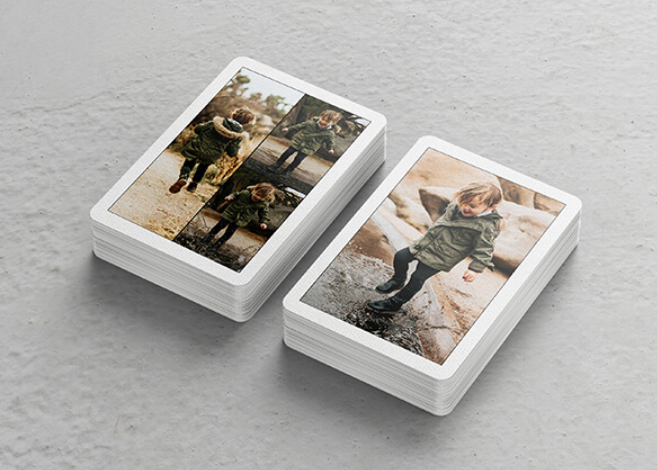
Introduction to Print on Demand Card Decks
In recent years, the creative landscape has seen a significant shift in how products are designed, produced, and distributed. Among the innovations reshaping this space, print on demand card decks have emerged as a highly versatile and accessible option for creators. These decks allow artists, educators, businesses, and hobbyists to produce high-quality, custom-designed card sets without the financial and logistical challenges of traditional manufacturing.
From educational flashcards to niche gaming decks and artistic collections, the print on demand model provides a flexible and cost-effective solution for anyone looking to bring their ideas to life. Unlike traditional card production, which often requires large minimum orders, print on demand ensures that products are created only when needed, reducing waste and overhead costs.
How Print on Demand Card Decks Work
Digital Design and Production
The process of creating print on demand card decks begins with digital design. Using graphic design software, creators can craft each card with precision, selecting colors, typography, illustrations, and layouts that suit their vision. Once the designs are ready, they are uploaded to a print on demand platform, where the cards are produced individually or in small batches as orders are placed.
This system eliminates the need for costly upfront investments in bulk production and storage. It also allows for easy revisions; if a designer notices an error or wants to update artwork, they can make changes without incurring significant losses. The digital workflow ensures high-quality printing with sharp visuals and consistent color reproduction, which is critical for professional-grade card decks.
Customization Options
One of the most appealing aspects of print on demand card decks is the level of customization available. Creators can choose card size, stock type, finish, and even packaging options. Premium finishes such as matte, glossy, or textured cards are often available, as well as specialty boxes or sleeves for storage.
These choices allow creators to align the product with their target audience’s expectations. For example, a designer producing an educational deck might prioritize lightweight, durable cards for easy handling by students, whereas an artist creating a tarot deck could focus on thick, luxurious cardstock and ornate packaging to enhance the aesthetic experience.
Applications Across Industries
Gaming and Entertainment
The gaming industry has benefited immensely from print on demand card decks. Independent designers and small studios can now produce niche 1 bedroom serviced apartment hong kong games, limited editions, and thematic decks without the financial burden of mass manufacturing. This model allows creators to test the market with innovative concepts while reaching global audiences through online platforms.
For instance, a designer could launch a collectible card game with unique mechanics or fantasy-themed storytelling, appealing to a specific group of enthusiasts. Print on demand enables them to produce these decks on a small scale initially and scale up based on demand.
Education and Learning
Print on demand card decks have become a valuable tool in education. Flashcards for language learning, science concepts, or mathematics can be tailored to the needs of students or curriculum standards. Educators can design decks for individual learning goals and update them easily as topics evolve.
These cards offer hands-on learning opportunities, making abstract concepts tangible and engaging. Students can interact with the content in a dynamic way, which often enhances retention and comprehension.
Marketing and Corporate Branding
Businesses are also leveraging print on demand card decks for marketing purposes. Customized decks can serve as promotional tools, branded merchandise, or interactive engagement items for events and workshops. A company might create trivia decks related to its products or industry, offering clients a memorable and interactive experience.
This approach not only helps to reinforce brand awareness but also provides a unique, tangible product that stands out in an increasingly digital marketing world.
Art and Personal Projects
Artists and creative entrepreneurs have embraced print on demand card decks as a medium for sharing their work. Tarot decks, inspirational card sets, and collectible art cards can be produced and distributed without the limitations of gallery spaces. Print on demand allows creators to reach audiences worldwide, offering both functional and collectible products.
For example, an illustrator could design a deck featuring original artwork, producing limited editions or special versions with custom packaging. Collectors and enthusiasts appreciate the tangible and personalized nature of these decks.
See also: Redefining Global Hiring Through Modern HR Solutions
Advantages of Print on Demand Card Decks
Cost-Effective Production
Producing cards only when orders are placed significantly reduces financial risk. Creators avoid upfront costs associated with bulk manufacturing and storage, making this model ideal for startups, small businesses, and independent artists.
Scalability and Flexibility
Print on demand allows creators to start small and scale their operations based on demand. Whether producing a few decks for local markets or hundreds for international sales, the system adapts to the creator’s needs.
Environmentally Friendly
Reducing overproduction means less waste and lower environmental impact. Many platforms also use sustainable materials and eco-conscious printing methods, supporting creators who want to align their products with environmentally responsible practices.
Creative Freedom
From card design to packaging, print on demand enables complete creative control. Designers can experiment with layouts, illustrations, color schemes, and special features such as foil accents or embossing. This freedom encourages innovation and differentiation in a crowded marketplace.
Tips for Successful Card Deck Projects
Understand Your Audience
Identifying the target audience is key to designing a deck that resonates. Gamers, educators, art collectors, or corporate clients all have unique preferences and needs. Understanding these helps guide design, material choices, and marketing strategies.
Focus on Quality
High-quality materials, precise printing, and thoughtful design contribute to the overall success of a card deck. A well-crafted deck enhances the user experience and increases perceived value, encouraging repeat customers and positive reviews.
Test and Iterate
Print on demand makes it easy to test prototypes and gather feedback before full-scale production. Iterating based on customer input ensures the final product meets expectations and strengthens market appeal.
Market Creatively
Promoting a card deck requires creative marketing approaches. Social media, influencer collaborations, and online communities can help build interest and generate pre-orders or early sales. Highlighting unique features, themes, or artistic elements can differentiate a deck from competitors.
Emerging Trends in Print on Demand Card Decks
Digital Integration
Some creators are incorporating digital components into their decks. QR codes on cards can link to online tutorials, additional resources, or interactive experiences, blending physical and digital engagement.
Sustainable Practices
Sustainability continues to influence production choices. Eco-friendly cardstock, biodegradable packaging, and water-based inks are becoming standard options for environmentally conscious creators and consumers.
Niche Markets and Collectibility
Focusing on niche markets and creating limited editions are growing trends. Decks with specialized themes or collectible elements appeal to enthusiasts, collectors, and hobbyists, adding value and exclusivity to the product.
Collaborative Projects
Cross-industry collaborations are on the rise. Artists, educators, and game designers are joining forces to create multi-functional decks that combine entertainment, learning, and aesthetic appeal. Print on demand provides the flexibility to produce these hybrid products efficiently.
Conclusion
Print on demand card decks have transformed the way creators, businesses, and educators approach card production. Offering flexibility, cost-efficiency, and high-quality output, this model allows for unlimited creative potential while minimizing risk.
From gaming and education to marketing and art, print on demand card decks provide practical solutions for a variety of industries. As technology and consumer preferences continue to evolve, this industry will keep growing, empowering creators worldwide.
Even for professionals traveling or living in spaces like a 1 bedroom serviced apartment hong kong, the ability to manage creative projects remotely and efficiently demonstrates the accessibility and versatility of print on demand solutions. Creators can design, produce, and ship products globally without the limitations of traditional manufacturing or storage, making it an ideal option for the modern, mobile entrepreneur.
Print on demand card decks are more than just products—they are platforms for creativity, innovation, and connection, bridging ideas to tangible, high-quality creations for a diverse audience.