Understanding Roof Damage After Severe Winds: What Homeowners Should Know

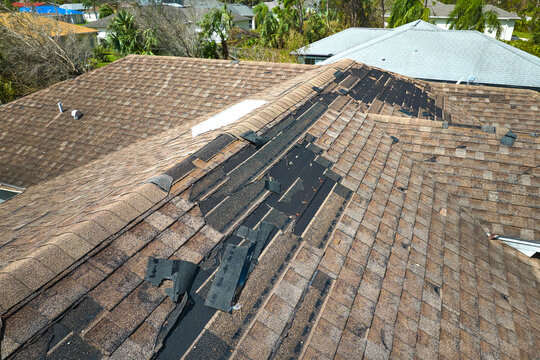
Strong winds can do more than just rattle windows and knock over outdoor furniture—they can quietly compromise the structural integrity of your roof. For homeowners, especially in areas prone to storms, understanding how wind affects roofing systems is essential for maintaining a safe and durable home. The signs of damage aren’t always obvious, and delays in addressing issues can lead to costly repairs down the line.
In this article, we’ll break down how wind impacts roofs, what warning signs to watch for, and how to take proactive steps to protect your property.
How Wind Causes Roof Damage
Wind doesn’t need to reach hurricane levels to damage a roof. Even moderate gusts can exploit vulnerabilities, especially if your roof is aging or wasn’t installed correctly.
Uplift Pressure and Shingle Loss
When wind flows over a roof, it creates a lifting force known as uplift pressure. This force can loosen shingles, especially along the edges and corners where the pressure is strongest. Once a shingle is lifted, it becomes easier for wind to tear it away completely, exposing the underlayment.
Debris Impact
Flying debris—like branches, loose objects, or even gravel—can strike your roof during a storm. These impacts may crack shingles, puncture materials, or dislodge protective layers.
Water Intrusion Risks
Once the outer layer of your roof is compromised, water can seep in during rainstorms. This leads to hidden moisture damage, mold growth, and weakened structural components.
Signs Your Roof May Have Wind Damage
Not all roof damage is immediately visible from the ground. However, there are several indicators homeowners can watch for after a storm.
Exterior Warning Signs
- Missing or curled shingles
- Granules collecting in gutters or downspouts
- Damaged flashing around vents or chimneys
- Debris accumulation on the roof
Interior Clues
- Water stains on ceilings or walls
- Damp attic insulation
- Unusual drafts or temperature fluctuations
If you notice any of these signs, it’s important to act quickly. Small issues can escalate rapidly if left unaddressed.
Why Timely Repairs Matter
Delaying repairs after wind damage can significantly increase the scope and cost of restoration. What starts as a few missing shingles can evolve into widespread water damage affecting insulation, drywall, and even electrical systems.
Preventing Secondary Damage
Addressing issues early helps prevent:
- Mold and mildew growth
- Structural wood rot
- Energy efficiency loss
- Interior damage to ceilings and walls
Maintaining Property Value
A well-maintained roof is a key factor in your home’s overall value. Visible damage or signs of neglect can deter potential buyers and reduce resale value.
Steps to Take After a Windstorm
Knowing what to do immediately after a storm can make a big difference in minimizing damage and simplifying repairs.
1. Perform a Visual Inspection
Walk around your property and look for obvious signs of damage. Use binoculars if necessary, but avoid climbing onto the roof yourself unless you have proper safety equipment.
2. Document Any Issues
Take photos of visible damage for insurance purposes. This documentation can be helpful when filing a claim.
3. Schedule a Professional Inspection
Even if damage seems minor, a professional inspection can uncover hidden issues. Experts know where to look and can provide a comprehensive assessment.
4. Address Repairs Promptly
If damage is confirmed, don’t delay repairs. Working with experienced professionals ensures that fixes are done correctly and safely.
For homeowners dealing with storm-related issues, especially in areas prone to strong winds, it’s worth exploring options for wind damage roof repair in San Antonio to better understand the repair process and available solutions.
See also: Can Portable Solar Panels Power Your Home?
Preventative Measures to Protect Your Roof
While you can’t control the weather, you can take steps to strengthen your roof against future wind events.
Maintenance
Regular inspections and maintenance help identify weak points before they become major problems.
Upgrade Roofing Materials
Consider impact-resistant shingles or reinforced roofing systems designed to withstand high winds.
Secure Loose Items
Keep your yard free of loose objects that could become airborne during storms.
Trim Nearby Trees
Overhanging branches can break off during high winds and cause significant roof damage.
Choosing the Right Roofing Professional
Not all roofing services are created equal. When selecting a contractor, look for:
- Proper licensing and insurance
- Experience with storm damage repairs
- Clear communication and detailed estimates
- Positive customer reviews
A qualified professional will not only fix current issues but also help reinforce your roof against future damage.
Conclusion
Wind damage to your roof isn’t always dramatic or immediately visible, but its effects can be serious if ignored. By understanding how wind impacts roofing systems, recognizing early warning signs, and taking prompt action, homeowners can avoid costly repairs and maintain the integrity of their homes.
Being proactive—through regular maintenance, timely inspections, and informed repair decisions—goes a long way in protecting your investment. Whether you’re dealing with recent storm damage or simply preparing for the future, staying informed is your best defense.