Pressure Vessel Design: Best Practices, Safety Standards, Material Selection, Stress Analysis & ASME Compliance for Efficient Industrial Engineering Solutions

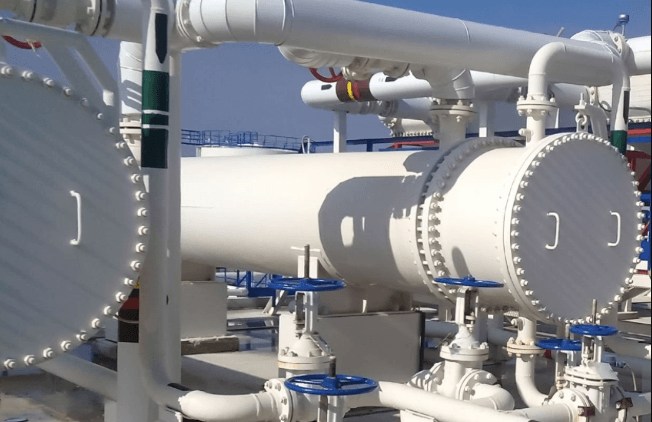
Pressure vessel design is a critical discipline in mechanical and industrial engineering that focuses on creating safe, efficient, and durable containers capable of holding gases or liquids under high pressure. These vessels are widely used in industries such as oil and gas, chemical processing, power generation, pharmaceuticals, and manufacturing. Proper **pressure vessel design** ensures operational safety, regulatory compliance, and long-term performance.
In this guest post, we will explore the key aspects of pressure vessel engineering, including design principles, material selection, stress analysis, fabrication methods, inspection techniques, and compliance with international standards such as ASME codes.
Understanding Pressure Vessel Design
**Pressure vessel design** refers to the process of engineering containers that can safely withstand internal or external pressure differences. These vessels are typically cylindrical, spherical, or conical in shape, designed to handle extreme conditions without failure.
The design process involves multiple engineering considerations, including:
* Operating pressure and temperature
* Type of fluid or gas stored
* Corrosion resistance requirements
* Mechanical stress distribution
* Safety factors and regulatory compliance
A well-designed pressure vessel minimizes the risk of rupture, leakage, or catastrophic failure, which could lead to serious safety hazards and financial losses.
Importance of ASME Standards in Pressure Vessel Design
One of the most important frameworks in **pressure vessel design** is the ASME Boiler and Pressure Vessel Code (BPVC). The American Society of Mechanical Engineers (ASME) sets globally recognized standards for the design, fabrication, inspection, and testing of pressure vessels.
Key benefits of ASME compliance include:
* Ensures structural integrity and safety
* Standardizes engineering practices
* Enhances reliability and performance
* Required for legal and industrial certification in many countries
Engineers must carefully follow ASME Section VIII guidelines when designing pressure vessels to ensure they meet minimum safety requirements.
Material Selection for Pressure Vessel Design
Choosing the right material is essential in pressure vessel engineering. The material must withstand internal pressure, temperature variations, and chemical exposure.
Common materials used include:
Carbon Steel
Widely used due to its strength, affordability, and availability. Suitable for moderate temperature and pressure applications.
Stainless Steel
Preferred for corrosive environments due to excellent resistance to rust and chemical damage.
Alloy Steel
Used in high-pressure and high-temperature applications, especially in power plants and refineries.
Non-Ferrous Materials
Materials like aluminum and nickel alloys are used in specialized applications requiring lightweight or extreme corrosion resistance. Proper material selection directly impacts vessel durability, safety, and maintenance costs.
See also: Strategies to Maximize Online Growth for Businesses
Stress Analysis in Pressure Vessel Design
Stress analysis is a fundamental part of **pressure vessel design**. Engineers must evaluate how internal pressure affects the vessel structure.
Types of stresses include:
* **Hoop Stress:** Circumferential stress caused by internal pressure
* **Longitudinal Stress:** Stress along the length of the vessel
* **Radial Stress:** Stress acting inward or outward from the wall
Advanced tools like Finite Element Analysis (FEA) are used to simulate stress distribution and identify weak points. This ensures the vessel can handle operational conditions without deformation or failure.
Types of Pressure Vessels
Pressure vessels come in different shapes and configurations depending on their application.
Cylindrical Pressure Vessels
Most common type used in industries due to ease of manufacturing and strength distribution.
Spherical Pressure Vessels
Ideal for high-pressure applications as they distribute stress evenly.
Horizontal and Vertical Vessels
Used based on space availability and process requirements in industrial plants.
Each type has unique design considerations depending on pressure levels and usage environment.
Fabrication and Manufacturing Process
The fabrication stage is crucial in ensuring the quality of pressure vessels. The process typically includes:
* Cutting and shaping of raw materials
* Rolling and welding of plates
* Heat treatment for stress relief
* Non-destructive testing (NDT)
Welding quality plays a major role in vessel safety. Poor welds can lead to leaks or structural failure under pressure. Therefore, skilled labor and advanced welding techniques are essential.
Inspection and Testing Methods
To ensure safety and compliance, pressure vessels undergo rigorous inspection and testing.Common methods include:
Hydrostatic Testing
Filling the vessel with water and applying pressure to check for leaks.
Radiographic Testing (RT)
Uses X-rays or gamma rays to inspect internal weld defects.
Ultrasonic Testing (UT)
Uses high-frequency sound waves to detect cracks or inconsistencies.
Visual Inspection
Basic but essential step to identify surface-level defects.
Regular inspection ensures long-term safety and reliability of pressure vessels.
Safety Considerations in Pressure Vessel Design
Safety is the top priority in any **pressure vessel design** project. Engineers must consider:
* Maximum allowable working pressure (MAWP)
* Temperature fluctuations
* Corrosion allowance
* Emergency relief systems
* Failure mode analysis
Proper safety valves and pressure relief systems are installed to prevent overpressure conditions.
Applications of Pressure Vessels
Pressure vessels are used across multiple industries, including:
* Oil and gas refineries
* Chemical processing plants
* Power generation stations
* Food and beverage industry
* Pharmaceutical manufacturing
Each application requires specific design adjustments to meet operational demands.
Conclusion
**Pressure vessel design** is a highly specialized field that combines engineering principles, safety regulations, and advanced manufacturing techniques. From material selection and stress analysis to fabrication and inspection, every step plays a vital role in ensuring safety and performance.
Compliance with ASME standards, proper engineering analysis, and strict quality control are essential for creating reliable pressure vessels used in critical industrial applications. A industries continue to evolve, modern design tools and simulation technologies are making pressure vessel engineering more efficient, accurate, and safe than ever before.