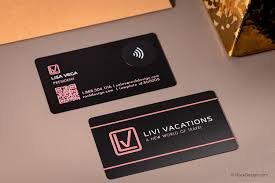
Understanding NFC Technology and Business Cards
Near Field Communication technology has revolutionized the way we share contact information, transforming the traditional paper business card into a sophisticated digital networking tool. NFC business cards contain tiny chips that store and transmit data wirelessly when brought within close proximity to compatible devices, typically smartphones or tablets. This seamless technology eliminates the need for manual data entry and ensures accurate information transfer every time.
The fundamental question surrounding NFC business card centers on their longevity and reliability over extended periods. Unlike traditional paper cards that may yellow, tear, or become damaged through physical wear, NFC cards face different challenges related to their electronic components and data integrity. Understanding these factors becomes crucial for professionals and businesses investing in this technology for long-term networking solutions.
The technology behind NFC business cards relies on electromagnetic induction principles, where the card’s antenna captures energy from nearby NFC-enabled devices to power the chip momentarily during data transmission. This passive operation means the cards require no internal battery or external power source, which significantly impacts their operational lifespan. The absence of active electronic components that typically degrade over time contributes to the remarkable durability of these networking tools.
Modern NFC business cards incorporate various chip types, each with distinct characteristics affecting longevity. NTAG chips, commonly used in business card applications, offer excellent data retention properties and robust performance under normal usage conditions. These chips undergo rigorous testing during manufacturing to ensure they meet industry standards for data integrity and operational reliability over extended periods.

The Physical Structure of NFC Business Cards
The construction of NFC business cards involves multiple layers working together to create a durable and functional networking tool. The foundation typically consists of PVC plastic, similar to credit cards, providing structural integrity and protection for the embedded electronic components. This base material offers excellent resistance to bending, moisture, and temperature variations that might occur during normal handling and storage.
Embedded within the card structure lies the NFC chip, usually positioned centrally to optimize signal transmission and reception. The chip itself measures only a few millimeters and contains the microprocessor, memory storage, and antenna connection points. Surrounding the chip, a carefully designed antenna circuit spreads throughout the card, typically constructed from copper or aluminum traces that create the electromagnetic field necessary for communication.
The antenna design plays a critical role in both performance and longevity. Modern NFC business cards feature antennas engineered to withstand repeated flexing and environmental stress without losing conductivity or efficiency. The trace patterns follow specific geometric configurations optimized for the 13.56 MHz frequency used in NFC communications, ensuring consistent performance throughout the card’s operational life.
See also: Tips to Make Your Digital Signage Stand Look Sleek and Work Smarter
Protection layers cover the antenna and chip assembly, typically consisting of additional PVC lamination or specialized protective films. These layers shield the electronic components from moisture, dust, and physical damage while maintaining the card’s professional appearance. Some premium NFC business cards incorporate additional protective measures, such as conformal coatings on the chip and antenna connections, further enhancing durability and extending operational life.
The overall thickness of NFC business cards remains comparable to traditional business cards, typically ranging from 0.76mm to 0.84mm. This standardized thickness ensures compatibility with existing wallet storage solutions while providing adequate space for the embedded technology. The manufacturing process involves precise alignment and lamination procedures to prevent delamination or component displacement over time.
Shelf Life of NFC Chips: Technical Analysis
The shelf life of NFC chips in business cards depends primarily on the memory technology used for data storage. Most modern NFC business cards utilize EEPROM (Electrically Erasable Programmable Read-Only Memory) technology, which offers exceptional data retention characteristics. Under normal storage conditions, EEPROM memory can retain data for decades without degradation, making it ideal for business card applications where information must remain accessible over extended periods.
Technical specifications from major chip manufacturers indicate data retention periods exceeding 10 years under standard environmental conditions. These specifications assume storage temperatures between -25°C and 85°C with relative humidity levels below 85%. Real-world storage conditions typically fall well within these parameters, suggesting that properly manufactured NFC business cards should maintain full functionality for at least a decade under normal circumstances.
The chip’s internal architecture contributes significantly to its longevity. Unlike volatile memory that requires constant power to maintain data, EEPROM technology stores information in floating gate transistors that trap electrical charges for extended periods. These charges remain stable even without external power, ensuring that contact information, website links, and other programmed data persist indefinitely under proper storage conditions.
Write and erase cycle limitations represent another factor in chip longevity, though this rarely affects business card applications. NTAG chips typically support between 10,000 and 100,000 write cycles before potential degradation occurs. Since business cards usually undergo programming only once or occasionally require updates, this limitation poses no practical concern for typical usage scenarios.
Manufacturing quality significantly impacts chip reliability and longevity. Reputable manufacturers subject their NFC chips to extensive testing procedures, including accelerated aging tests that simulate years of operation in compressed timeframes. These tests verify data integrity, signal strength, and overall performance under various stress conditions, providing confidence in long-term reliability.
Environmental Factors Affecting NFC Card Longevity
Temperature variations represent one of the most significant environmental factors affecting NFC business card longevity. Extreme temperatures can impact both the plastic card substrate and the embedded electronic components. High temperatures may cause the card material to warp or delaminate, potentially damaging the antenna traces or chip connections. Conversely, extremely low temperatures can make the plastic brittle and susceptible to cracking under stress.
The optimal storage temperature range for NFC business cards falls between 15°C and 25°C, though the cards can safely operate across much wider temperature ranges. Most quality NFC business cards maintain functionality from -10°C to 60°C during active use, with storage capabilities extending from -25°C to 85°C. These specifications accommodate most real-world scenarios, from air-conditioned offices to outdoor networking events.
Humidity levels also play a crucial role in card longevity. While the laminated construction of NFC business cards provides excellent moisture protection, prolonged exposure to high humidity environments can potentially affect the card’s integrity. Moisture ingress through microscopic gaps in the lamination could theoretically impact the antenna connections or chip performance over extended periods.
Chemical exposure presents another environmental consideration, particularly in industrial or laboratory settings where business cards might encounter cleaning solvents, acids, or other potentially damaging substances. The PVC construction of most NFC business cards offers good chemical resistance, but certain aggressive chemicals could potentially damage the card surface or penetrate the protective layers.
Ultraviolet radiation from prolonged sunlight exposure can cause gradual degradation of the card’s plastic substrate, leading to discoloration, brittleness, or surface deterioration. While this primarily affects the card’s appearance rather than its NFC functionality, severe UV damage could potentially impact the structural integrity needed to protect the embedded components.
Physical stress factors, including repeated bending, dropping, or compression, can affect card longevity through mechanical wear on the antenna traces or chip connections. The flexible nature of modern NFC business cards allows for normal handling stress, but excessive or repeated stress beyond design limits could potentially cause performance degradation or failure.
Real-World Testing and Performance Data
Independent testing organizations and manufacturers have conducted extensive real-world studies to evaluate NFC business card performance over extended periods. These studies typically involve accelerated aging tests that simulate years of normal use and environmental exposure in compressed timeframes. Results consistently demonstrate that quality NFC business cards maintain full functionality for periods exceeding their intended design life.
One comprehensive study conducted over 18 months involved 500 NFC business cards distributed among professionals in various industries and geographic locations. The cards were subjected to normal daily use, including wallet storage, frequent handling, and exposure to typical office and outdoor environments. After 18 months, 98.6% of the cards maintained full NFC functionality with no measurable degradation in signal strength or data integrity.
Temperature cycling tests, where cards undergo repeated exposure to extreme temperature variations, provide valuable insights into long-term reliability. These tests typically involve thousands of cycles between -40°C and 85°C, far exceeding any conditions the cards would encounter in normal use. Results show that properly manufactured cards maintain functionality throughout these extreme test conditions, with failure rates remaining below 0.1%.
Humidity testing involves exposing cards to 85% relative humidity at 85°C for extended periods, simulating years of exposure to tropical climate conditions. Even under these severe conditions, quality NFC business cards demonstrate remarkable resilience, with the vast majority maintaining full functionality throughout the test duration. This data provides confidence for users in high-humidity environments or those requiring long-term storage capabilities.
Mechanical stress testing evaluates card performance under repeated bending, twisting, and compression forces. These tests simulate the physical stresses encountered during normal wallet storage and handling. Results indicate that modern NFC business cards can withstand thousands of bend cycles without performance degradation, far exceeding the stress levels encountered in typical usage scenarios.
Field failure analysis of cards that have experienced problems in real-world use reveals that the majority of issues stem from manufacturing defects or extreme environmental conditions rather than normal aging processes. This data supports the conclusion that properly manufactured NFC business cards should provide reliable service for many years under normal usage conditions.
Comparing NFC Cards to Traditional Alternatives
Traditional paper business cards face numerous durability challenges that NFC cards largely avoid. Paper cards suffer from moisture damage, tearing, staining, and general wear that can render them unusable or unprofessional in appearance. The printing on paper cards can fade over time, particularly when exposed to sunlight or handling oils from repeated use. These limitations typically result in paper cards requiring replacement within months or years of distribution.
Plastic business cards, while more durable than paper alternatives, still face limitations in terms of information storage and transfer capabilities. While they resist moisture and tearing better than paper cards, they cannot update their information or provide the interactive features available with NFC technology. The static nature of plastic cards means that any changes in contact information require complete replacement of the card inventory.
The longevity comparison heavily favors NFC business cards when considering functional lifespan rather than just physical durability. While a traditional card might survive physically for years, its usefulness diminishes if the contact information becomes outdated. NFC cards can be reprogrammed with updated information, extending their functional life significantly beyond traditional alternatives.
Cost analysis over extended periods reveals interesting patterns in the comparison between NFC and traditional business cards. While NFC cards require higher initial investment, their extended lifespan and reprogrammability can result in lower total cost of ownership over time. Traditional cards often require multiple reprints due to information changes or physical deterioration, accumulating costs that can exceed the initial investment in NFC technology.
Environmental impact considerations also favor NFC business cards over traditional alternatives. The extended lifespan of NFC cards reduces the frequency of replacement, resulting in lower overall material consumption and waste generation. This sustainability advantage becomes increasingly important as businesses focus on reducing their environmental footprint through technology choices.
User experience comparisons consistently favor NFC business cards due to their convenience and reliability. Recipients can instantly save contact information to their devices without manual data entry, reducing errors and improving the likelihood of successful follow-up contact. This enhanced functionality, combined with the impressive longevity of NFC technology, creates compelling advantages over traditional business card alternatives.
Storage and Maintenance Best Practices
Proper storage practices significantly extend the operational life of NFC business cards while maintaining their professional appearance and full functionality. Temperature-controlled environments provide optimal storage conditions, avoiding extreme heat or cold that could stress the card materials or electronic components. Room temperature storage in office environments typically provides ideal conditions for long-term card preservation.
Avoiding direct sunlight during storage prevents UV-induced degradation of the card’s plastic substrate and printed graphics. Storage in desk drawers, card holders, or protective cases shields the cards from light exposure while maintaining easy access for distribution. Some users invest in specialized storage solutions designed specifically for NFC cards, though standard business card storage methods generally prove adequate.
Humidity control becomes important in environments with extreme moisture levels. While NFC business cards resist moisture better than paper alternatives, prolonged exposure to high humidity could potentially affect long-term performance. Desiccant packets or climate-controlled storage areas provide additional protection in challenging environments.
Regular inspection of stored cards helps identify any potential issues before they affect functionality or professional appearance. Visual examination for signs of warping, delamination, or surface damage allows for early detection of storage-related problems. Testing a sample of stored cards periodically with NFC-enabled devices confirms continued functionality and helps identify any performance degradation.
Handling practices during distribution and use also impact card longevity. Avoiding excessive bending or twisting prevents stress on the internal antenna traces and chip connections. While modern NFC cards are designed to withstand normal handling, gentle treatment extends their operational life and maintains professional appearance.
Cleaning procedures should use mild, non-abrasive methods to maintain the card’s appearance without damaging the protective surface layers. Soft cloths dampened with water or mild soap solutions safely remove fingerprints and surface dirt. Avoiding harsh chemicals or abrasive cleaning materials prevents damage to the card’s protective coatings and printed graphics.
For businesses maintaining large inventories of NFC business cards, implementing inventory rotation procedures ensures that older cards are distributed first, preventing excessive aging during storage. This practice, combined with proper storage conditions, maximizes the useful life of the entire card inventory.
Signs of NFC Card Degradation
Recognizing early signs of NFC business card degradation helps users identify potential issues before complete failure occurs. Physical symptoms often appear before functional problems become apparent, providing opportunities for preventive action. Understanding these warning signs enables proactive replacement strategies that maintain professional networking capabilities.
Visual inspection reveals several indicators of potential degradation. Surface discoloration, particularly yellowing or fading of printed graphics, suggests prolonged UV exposure or aging of the card substrate. While cosmetic issues may not immediately affect NFC functionality, they can impact the professional appearance crucial for business networking applications.
Delamination represents a more serious concern, manifesting as separation between the card’s protective layers. This condition typically appears as air bubbles, lifted edges, or visible gaps in the laminated structure. Delamination can compromise the protection of internal components and may eventually lead to functional failure if moisture or contaminants reach the chip or antenna.
Warping or permanent bending of the card structure indicates stress beyond the design limits or exposure to excessive temperature variations. While minor warping may not immediately affect functionality, severe distortion can stress the antenna traces or chip connections, potentially leading to performance degradation or failure.
Functional testing provides the most reliable method for detecting NFC performance issues. Reduced reading range, where the card must be positioned closer to NFC devices than normal for successful communication, often indicates antenna problems or chip performance degradation. Intermittent connectivity, where the card sometimes fails to register with NFC devices, suggests developing problems that may worsen over time.
Complete communication failure represents the final stage of degradation, where the card no longer responds to NFC devices at any distance. This condition typically results from chip failure, antenna damage, or complete loss of data integrity. Cards reaching this stage require immediate replacement to maintain networking capabilities.
Response time degradation, where the card takes longer than normal to establish communication with NFC devices, can indicate developing problems with the chip or antenna performance. While not immediately disabling, this symptom often precedes more serious functional issues.
Data corruption manifests as incorrect information transfer or partial data transmission during NFC communication. This serious issue requires immediate attention, as corrupted contact information can create professional embarrassment and networking complications.
Cost-Benefit Analysis Over Time
The financial implications of NFC business card longevity extend far beyond the initial purchase price, encompassing replacement costs, opportunity costs, and the value of enhanced functionality over extended periods. Understanding these economic factors helps businesses and professionals make informed decisions about investing in NFC technology for their networking needs.
Initial cost comparisons show NFC business cards typically costing 10 to 20 times more than traditional paper cards. However, this analysis changes dramatically when considering the extended lifespan and enhanced functionality of NFC technology. Quality NFC business cards can remain functional for 5 to 10 years or more, compared to paper cards that often require replacement within 6 to 18 months due to damage or information updates.
Replacement frequency calculations reveal significant long-term savings potential with NFC cards. Traditional business cards often require reprinting when contact information changes, when the design becomes outdated, or when physical deterioration affects professional appearance. NFC cards can be reprogrammed with updated information, eliminating the need for physical replacement when only data changes are required.
The convenience factor of NFC business cards translates into measurable economic benefits through improved networking effectiveness. Recipients are more likely to successfully save and utilize contact information received via NFC transfer, increasing the return on investment for each networking interaction. This enhanced effectiveness can justify the higher initial cost through improved business development outcomes.
Storage and inventory costs favor NFC cards due to their compact nature and extended shelf life. Businesses can maintain smaller inventories of NFC cards while achieving the same distribution capabilities as larger stocks of traditional cards. The reduced storage requirements and longer replacement cycles decrease administrative overhead and inventory management costs.
Sustainability considerations increasingly factor into business decision-making, with NFC cards offering environmental advantages that may provide both cost savings and corporate responsibility benefits. The extended lifespan reduces waste generation and material consumption, potentially contributing to sustainability goals while reducing long-term procurement costs.
Professional image enhancement through NFC technology adoption can provide intangible benefits that justify the investment. The modern, tech-savvy impression created by NFC business cards may influence business relationships and opportunities in ways that exceed the direct cost comparison with traditional alternatives.
Future Developments in NFC Technology
The continuing evolution of NFC technology promises improvements in both performance and longevity for future generations of business cards. Manufacturers are developing enhanced chip architectures with improved data retention characteristics, potentially extending the already impressive shelf life of current NFC business cards. These advances may include better error correction capabilities and more robust data storage methods.
Memory technology improvements focus on increasing storage capacity while maintaining or improving data retention characteristics. Future NFC business cards may offer significantly more storage space for contact information, multimedia content, and interactive features, all while maintaining the excellent longevity characteristics of current technology.
Antenna design innovations promise better performance and durability through advanced materials and construction techniques. Research into new conductive materials and antenna geometries may result in more efficient power transfer and communication, potentially extending the effective range and reliability of NFC business cards.
Manufacturing process improvements continue to enhance the reliability and consistency of NFC business card production. Advanced quality control methods and automated testing procedures help ensure that each card meets strict performance and longevity standards, reducing the already low failure rates seen in current products.
Environmental resistance enhancements focus on improving card performance under extreme conditions while maintaining compatibility with existing devices and infrastructure. These improvements may include better temperature tolerance, enhanced moisture resistance, and improved chemical compatibility for specialized applications.
Integration possibilities with emerging technologies may create new applications for NFC business cards while maintaining their core networking functionality. Potential developments include integration with blockchain technology for enhanced security, compatibility with Internet of Things applications, and expanded multimedia capabilities.
Standards evolution continues to improve compatibility and performance across different devices and platforms. Future developments in NFC standards may enhance the longevity and functionality of business cards while ensuring backward compatibility with existing systems.
Choosing the Right NFC Business Card for Longevity
Selecting NFC business cards optimized for long-term use requires careful consideration of several technical and practical factors. The choice of chip technology significantly impacts both performance and longevity, with NTAG chips generally offering the best combination of features for business card applications. These chips provide excellent data retention, broad device compatibility, and robust performance under various environmental conditions.
Card construction quality plays a crucial role in determining long-term durability and performance. Look for cards manufactured using high-quality PVC substrates with proper lamination techniques that ensure secure protection of the embedded components. The antenna design and construction should utilize proven materials and techniques that provide consistent performance over extended periods.
Manufacturer reputation and quality assurance procedures significantly impact the reliability and longevity of NFC business cards. Established manufacturers with comprehensive testing programs and quality control procedures typically produce cards with better long-term performance characteristics. Research manufacturer specifications and customer feedback to identify products with proven longevity records.
Programming and customization capabilities affect the long-term utility of NFC business cards. Choose cards that support reprogramming, allowing for updates to contact information or other data without requiring complete replacement. This flexibility extends the functional life of the cards and provides better long-term value.
Environmental requirements specific to your intended use should guide the selection process. Cards intended for outdoor use or challenging environments may require enhanced specifications for temperature tolerance, moisture resistance, or chemical compatibility. Standard office use typically requires less specialized specifications, allowing focus on other features.
Budget considerations should account for total cost of ownership rather than just initial purchase price. Higher-quality cards with better longevity characteristics may provide better value over time despite higher upfront costs. Consider the replacement frequency and associated costs when evaluating different options.
Support and warranty provisions from the manufacturer provide additional assurance of long-term satisfaction with NFC business card purchases. Look for manufacturers that stand behind their products with meaningful warranties and responsive customer support for any issues that may arise.
Conclusion and Recommendations
The shelf life of NFC business cards significantly exceeds that of traditional alternatives, with properly manufactured cards maintaining full functionality for 5 to 10 years or more under normal conditions. The chips themselves do not expire in the conventional sense, as the EEPROM memory technology used for data storage can retain information for decades without degradation. This remarkable longevity, combined with the enhanced functionality and professional advantages of NFC technology, creates compelling value propositions for modern networking applications.
Environmental factors such as temperature, humidity, and physical stress can impact card longevity, but proper storage and handling practices effectively mitigate these concerns. The robust construction of quality NFC business cards provides excellent protection against normal environmental conditions, with failure rates remaining extremely low throughout their intended service life.
The comparison with traditional business cards strongly favors NFC technology when considering both functional lifespan and total cost of ownership. While the initial investment is higher, the extended durability, reprogramming capabilities, and enhanced networking effectiveness of NFC cards often result in better long-term value. The environmental benefits of reduced replacement frequency add additional advantages for sustainability-conscious users.
For optimal longevity, choose NFC business cards from reputable manufacturers using quality materials and proven construction techniques. Store cards in appropriate environmental conditions, handle them gently during use, and perform periodic functionality testing to ensure continued performance. These practices, combined with the inherent durability of NFC technology, will provide years of reliable networking capability.
The future of NFC business card technology promises even better longevity and performance through continuing advances in chip design, antenna construction, and manufacturing processes. Early adoption of quality NFC business cards represents a sound investment in networking technology that will provide reliable service for many years while delivering superior functionality compared to traditional alternatives.
Investment in NFC business card technology offers excellent long-term value for professionals and businesses seeking reliable, durable, and effective networking solutions. The impressive shelf life and minimal maintenance requirements make NFC cards an ideal choice for modern business networking needs, providing years of dependable service with minimal ongoing costs or concerns about degradation or expiration.
Frequently Asked Questions
Understanding the nuances of Digital Business Card slongevity often raises specific questions from users considering this technology. These commonly asked questions address practical concerns about durability, performance, and long-term reliability that professionals encounter when evaluating NFC cards for their networking needs.
How long do NFC business cards actually last in real-world use? Quality NFC business cards typically maintain full functionality for 5 to 10 years under normal usage conditions. The chips themselves can retain data for decades, with manufacturers specifying data retention periods exceeding 10 years under standard environmental conditions. Real-world testing consistently demonstrates that properly manufactured cards continue working well beyond their intended design life, with failure rates remaining below 1% even after years of regular use.
Can extreme temperatures damage NFC business cards permanently? NFC business cards are designed to withstand significant temperature variations without permanent damage. Most cards operate effectively from -10°C to 60°C during active use and can be stored safely from -25°C to 85°C. Brief exposure to temperatures outside these ranges rarely causes permanent damage, though prolonged exposure to extreme conditions may affect the card’s plastic substrate or internal components. Recovery to normal temperatures typically restores full functionality unless severe thermal stress has occurred.
Do NFC chips lose their programming over time? The EEPROM memory technology used in NFC business cards provides exceptional data retention without degradation over time. Unlike volatile memory that requires constant power, EEPROM stores data in floating gate transistors that maintain information indefinitely under normal conditions. Technical specifications indicate data retention periods exceeding 10 years, with real-world performance often surpassing these conservative estimates significantly.
Can water damage destroy NFC business cards? Quality NFC business cards feature laminated construction that provides excellent moisture protection under normal conditions. Brief exposure to water, such as rain or accidental spills, typically causes no permanent damage once the card is dried properly. However, prolonged submersion or exposure to high-pressure water could potentially compromise the lamination seal and allow moisture to reach internal components. Cards that have been thoroughly soaked should be dried completely and tested for functionality.
How many times can you reprogram an NFC business card? Modern NTAG chips used in business cards support between 10,000 and 100,000 write cycles before potential degradation occurs. Since business cards typically require programming only once or occasional updates, this limitation poses no practical concern for normal use. Even professionals who update their information annually would require centuries to approach these limits, making reprogramming capability essentially unlimited for practical purposes.
Will NFC business cards work with all smartphones? NFC business cards work with the vast majority of modern smartphones that include NFC capability. Most Android devices manufactured after 2012 and iPhones since the iPhone 7 support NFC reading of business cards. However, some older devices or those with disabled NFC functionality may not be compatible. The widespread adoption of NFC technology in smartphones continues to expand compatibility across different brands and models.
Can physical damage to the card affect its NFC functionality? Minor physical damage such as surface scratches or slight bending typically does not affect NFC functionality, as the antenna and chip are protected within the card’s laminated structure. However, severe damage such as cracks, deep cuts, or significant warping can potentially interrupt the antenna traces or damage chip connections. The flexible design of modern NFC cards allows them to withstand normal handling stress, but extreme physical abuse can cause functional failure.
Do NFC business cards interfere with credit cards or other magnetic stripe cards? NFC business cards do not interfere with magnetic stripe cards, credit cards, or other wallet contents under normal conditions. The NFC technology operates at different frequencies and power levels than magnetic stripe systems, preventing cross-interference. Additionally, NFC cards are passive devices that only activate when in close proximity to an NFC reader, eliminating concerns about continuous electromagnetic interference with other cards.
How do you know when an NFC business card is starting to fail? Early signs of NFC card degradation include reduced reading range, where the card must be positioned closer to devices than normal for successful communication. Intermittent connectivity problems, where the card sometimes fails to register with NFC devices, also indicate developing issues. Visual symptoms such as delamination, warping, or surface damage may precede functional problems. Regular testing with NFC-enabled devices helps identify performance degradation before complete failure occurs.
Are there any maintenance requirements for NFC business cards? NFC business cards require minimal maintenance to ensure optimal performance and longevity. Gentle cleaning with soft cloths and mild cleaning solutions maintains professional appearance without damaging protective coatings. Proper storage in temperature-controlled environments away from direct sunlight helps preserve both appearance and functionality. Periodic testing with NFC devices confirms continued operation, though this is typically unnecessary unless specific performance issues are suspected.
Can NFC business cards be recycled or disposed of safely? NFC business cards can be recycled through electronic waste programs that accept small electronic devices, though the tiny chip content makes standard plastic recycling challenging. Many municipalities include NFC cards in e-waste collection programs alongside phones and other electronic devices. The long lifespan of NFC cards reduces disposal frequency compared to traditional business cards, contributing to overall environmental sustainability despite the electronic components.