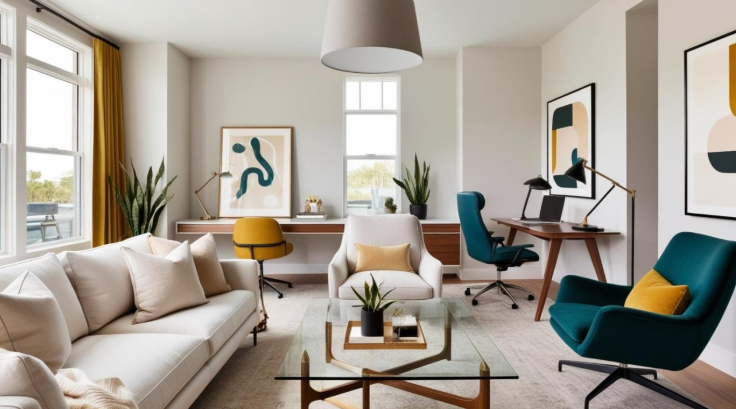
Introduction to Interior Transformation
A well-designed space can significantly impact mood, productivity, and overall quality of life. Interior design goes beyond selecting furniture and colors; it combines creativity, functionality, and an understanding of human behavior to create spaces that are both beautiful and practical. Interior design studios play a crucial role in transforming residential, commercial, and hospitality environments, ensuring that every detail reflects the client’s vision while enhancing usability.
From modern minimalist homes to sophisticated office environments, professional interior designers balance aesthetics with functionality. The integration of lighting, materials, textures, and spatial planning contributes to the harmony and flow of a space.
The Role of an Interior Design Studio
Consultation and Concept Development
An interior design studio begins the creative process by understanding the client’s requirements, lifestyle, and preferences. Through consultations and site evaluations, designers develop concepts that align with the client’s vision. Mood boards, sketches, and 3D renderings often help communicate ideas effectively before implementation.
Space Planning and Layout
Efficient space planning ensures that rooms are functional and visually appealing. Designers analyze traffic flow, lighting, and spatial proportions to optimize comfort and utility. Whether it’s a compact apartment or a large office, thoughtful layout planning enhances both usability and aesthetics.
Material Selection and Sourcing
Choosing the right materials is crucial in achieving a cohesive design. Interior design studios source high-quality furniture, fabrics, lighting fixtures, and decorative elements to complement the overall theme. Sustainable and durable materials are increasingly favored, reflecting a growing emphasis on environmental responsibility.
Trends in Modern Interior Design
Minimalism and Functional Aesthetics
Minimalist design emphasizes simplicity, clean lines, and uncluttered spaces. Interior design studios focus on functional furniture, neutral color palettes, and strategic use of negative space to create calming environments that feel open and inviting.
Biophilic Design
Biophilic design incorporates natural elements interior design studio such as plants, natural light, and organic materials to create healthier and more stimulating spaces. Studies have shown that integrating nature into interior design improves well-being, productivity, and emotional health.
Smart and Connected Spaces
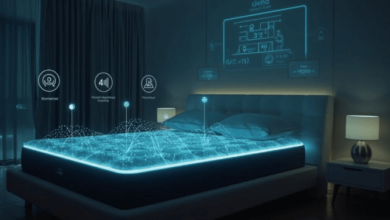
Technology is transforming interior environments. Smart lighting, automated climate control, and integrated home systems are increasingly part of modern interiors. Interior design studios blend technology seamlessly into the décor, ensuring convenience without compromising aesthetics.
Sustainable Design Practices
Sustainability has become a core consideration in contemporary design. Interior design studios prioritize eco-friendly materials, energy-efficient lighting, and recycled or upcycled furniture. This approach not only reduces environmental impact but also creates spaces that are healthier and more sustainable for occupants.
Residential Interior Design
Living Rooms and Common Areas
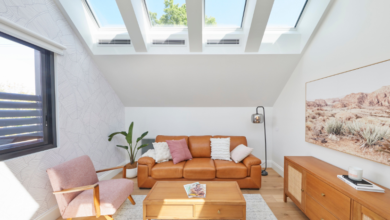
In residential spaces, living rooms are designed to balance comfort with style. Interior design studios use furniture placement, lighting, and décor elements to create inviting spaces suitable for relaxation and social interaction. Textures, color schemes, and statement pieces contribute to the overall ambiance.
Kitchens and Dining Areas
Functional and visually appealing kitchens are essential for modern living. Designers focus on ergonomic layouts, durable materials, and smart storage solutions to enhance efficiency. Dining areas are integrated with the overall design, creating spaces conducive to gatherings and family interaction.
Bedrooms and Private Spaces
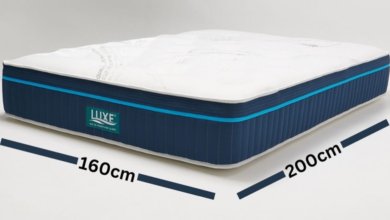
Bedrooms require a balance of comfort, privacy, and personal expression. Interior design studios use soft furnishings, lighting, and spatial planning to create restful environments that reflect the occupant’s personality and lifestyle.
See also: Construction Estimating Services: Accurate Cost Planning for Plumbing and HVAC Systems
Commercial Interior Design
Offices and Workspaces
In commercial settings, interior design studios focus on productivity, collaboration, and employee well-being. Open layouts, ergonomic furniture, and thoughtful use of color and lighting improve focus and morale. Breakout areas, meeting rooms, and wellness spaces are integrated to support diverse work activities.
Retail and Hospitality
Retail spaces and hotels require designs that enhance customer experience while supporting operational efficiency. Interior design studios incorporate branding elements, strategic lighting, and functional layouts to attract and engage visitors. In hospitality, comfort and ambiance are prioritized to create memorable guest experiences.
Healthcare and Educational Spaces
Designing hospitals, clinics, and schools requires a balance of safety, functionality, and aesthetic appeal. Interior design studios consider accessibility, hygiene, and environmental psychology to create environments that support learning, healing, and well-being.
Collaboration and Project Management
Successful interior design projects rely on collaboration between clients, designers, contractors, and suppliers. Interior design studios manage project timelines, budgets, and logistics to ensure smooth execution. Clear communication and regular updates are vital for maintaining alignment with the client’s vision throughout the project.
Emerging Tools and Technologies
3D Visualization and Virtual Reality
Advanced software allows clients to explore designs in three dimensions before implementation. Virtual reality tools help clients experience spaces virtually, making it easier to refine details and make informed decisions.
AI and Data-Driven Design
Artificial intelligence is increasingly used to optimize layouts, predict material performance, and suggest design solutions based on user preferences. Interior design studios leverage these tools to enhance creativity and efficiency.
Sustainable Technology Integration
Energy-efficient lighting, smart climate control, and sustainable materials are becoming standard in modern designs. Interior design studios incorporate these technologies to create functional, eco-friendly, and cost-effective spaces.
Conclusion
An interior design studio is more than a provider of decorative solutions; it is a creative partner that transforms ideas into functional, aesthetically pleasing spaces. By blending design principles, innovative technology, and client-centric approaches, these studios create environments that enhance lifestyle, productivity, and well-being.
Whether designing residential, commercial, or specialized spaces, interior design studios combine artistic vision with practical expertise. As trends evolve and technology advances, these studios continue to redefine modern interiors, ensuring that every space is a reflection of both style and functionality.
With a professional approach and a commitment to excellence, working with an interior design studio allows individuals and businesses to create spaces that are not only beautiful but also thoughtfully designed for everyday life.